
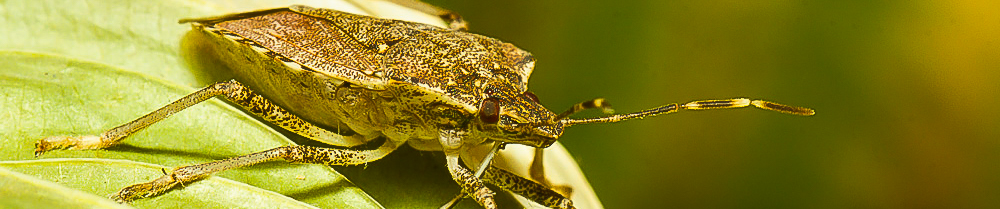
Pests are organisms that can harm humans, animals, plants or the environment. Pests include a variety of organisms ranging from microbes to plants to animals.
Organisms that cause plant disease are called plant pathogens. Plant pathogens are a type of plant pest. They can spread in many ways, including through insects, water, soil, air, people and other animals.
One goal of the Minnesota Department of Agriculture (MDA) is to protect Minnesota’s terrestrial plants from insect pests and pathogens. We do this by inspecting and testing nursery stock and seed, including seed potatoes, and by working to keep new invasive pathogens out of the state.
The MDA uses several approaches to manage pests:
- Prevention: We use best management practices and regulations to keep new pests from entering Minnesota.
- Early detection: We conduct surveys to find pests soon after they arrive.
- Response: If a pest is not widespread, we will try to eradicate or contain it.
- Management: If a pest is widely established, we use an integrated approach to manage populations.
If you suspect an invasive pest:
- Write a brief description of what you saw and where you saw it.
- Take a photo, if possible.
- Include your contact information.
- Email the information to Report a Pest.
You can help prevent the introduction and spread of invasive pests in Minnesota. Examples of insect pests of concern to the MDA include brown marmorated stink bug, spongy moth, emerald ash borer, soybean aphid and Japanese beetle.

